Instagram's COVID-19 chloroquine merchants are barking up the wrong tree
feed_watermarkApril 15, 2020
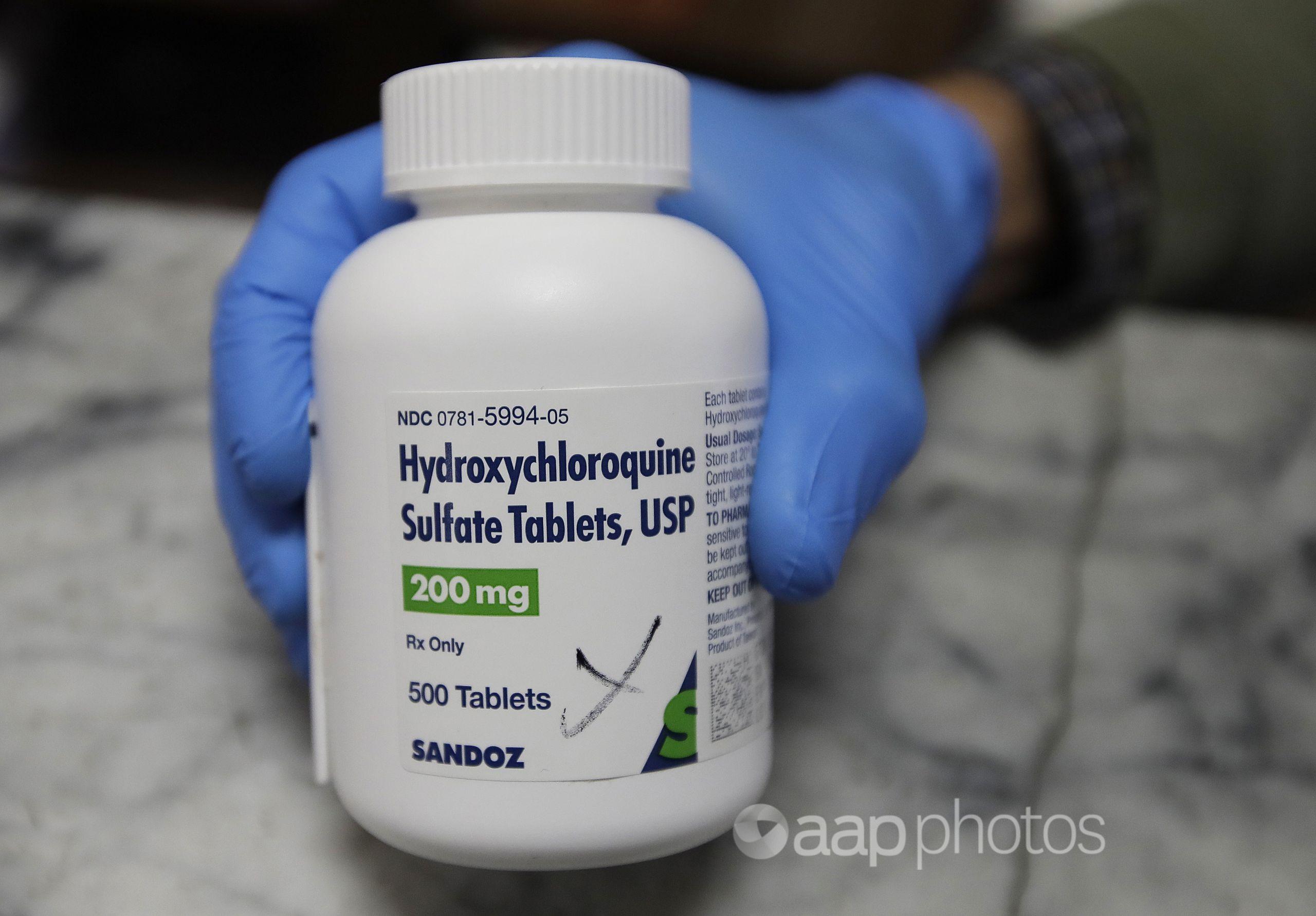
A pharmacist shows a bottle of the drug hydroxychloroquine on Monday, April 6, 2020, in Oakland, Calif. President Donald Trump and his administration kept up their out-sized promotion Monday of an malaria drug not yet officially approved for fighting the new coronavirus, even though scientists say more testing is needed before it?s proven safe and effective against COVID-19. Trump trade adviser Peter Navarro championed hydroxychloroquine in television interviews a day after the president publicly put his faith in the medication to lessen the toll of the coronavirus pandemic. (AP Photo/Ben Margot)
The Statement
After reports an anti-malaria drug may help combat COVID-19 symptoms a series of Instagram posts are claiming the drug is made from tree bark - and seeking to sell the powdered bark online.
As scientists around the world rush to find a vaccine for COVID-19 a seriesof Instagramposts are encouraging people to buy a powder made from cinchona tree bark to help fight the virus.
An April 10 post claims "many people recovered from the COVID19 virus after receiving Chloroquine, the popular anti malaria / lupus drug."
The post goes on to say that Chloroquine is "made from the bark of Cinchona tree" and "though there are many sceptics, proper research shows its safe to consume at the right dosage".
The post then states: "This miracle plant has been saving lives since 1934 and can save many more".
The post finally reads: "Use 3-6 grams [of Cinchona powder] to make tea or use as [sic] supplement 500mg twice daily for 10 days".
AAP FactCheck found one other variation of the April 10 post making the same claims. The two variations of posts have been uploaded by over 10 different Instagram accounts - including here and here - all containing links to websites selling cinchona powder. In total the posts have been viewed over 160,000 times.
An Instagram post incorrectly states the synthetic drug chloroquine is made from Cinchona tree bark.
Based on the evidence, AAP FactCheck found the claims in the post to be false. Chloroquine and hydroxychloroquine are synthetic analogues of quinine and chloroquine is not made from cinchona bark. The claim that "many people recovered" from COVID-19 after receiving chloroquine is also not accurate. Experts and regulatory bodies advise against using cinchona bark to combat COVID-19, with the substance known to have potentially serious side effects if taken in large quantities.
* AAP FactCheck is accredited by the Poynter Institute's International Fact-Checking Network, which promotes best practice through a stringent and transparent Code of Principles. https://aap.com.au/
Sources
Fact-checking is a team effort
Every AAP FactCheck article is the result of a meticulous process involving numerous experienced journalists and producers. Our articles are thoroughly researched, carefully crafted and rigorously scrutinised to ensure the highest standard of accuracy and objectivity in every piece.